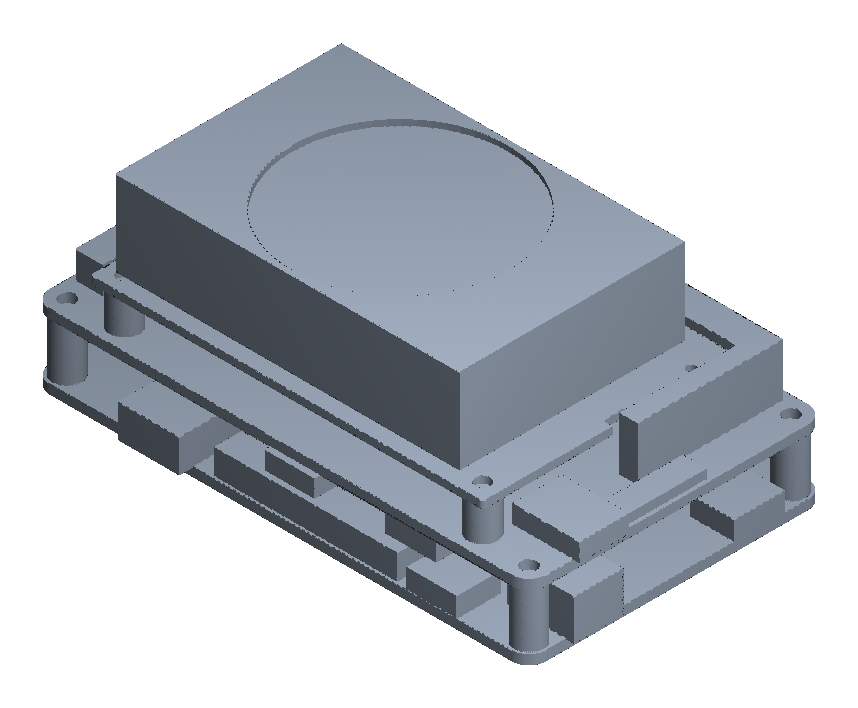
MachinePASS 8/8
Aleph compute stack
Reference model of the Aleph base board, carrier board, Jetson Orin Nano module and heatsink-fan on M2.5 standoffs, for designing enclosures and mounts.
8 bodies4 part designsbuild123d
Agentic CAD pipeline
Each design starts as a contract with a source for every number. A worker writes editable CAD on build123d, CadQuery, FreeCAD or Zoo; the exported STEP is measured independently against the contract; and every handoff ships a STEP and an STL you can print.
Featured: Aleph compute stackOpen the interactive review →
14 designs
Assemblies of placed parts on measured joints, with motion sweeps, clearances and, where declared, fluid regions and simulations.
Reference model of the Aleph base board, carrier board, Jetson Orin Nano module and heatsink-fan on M2.5 standoffs, for designing enclosures and mounts.
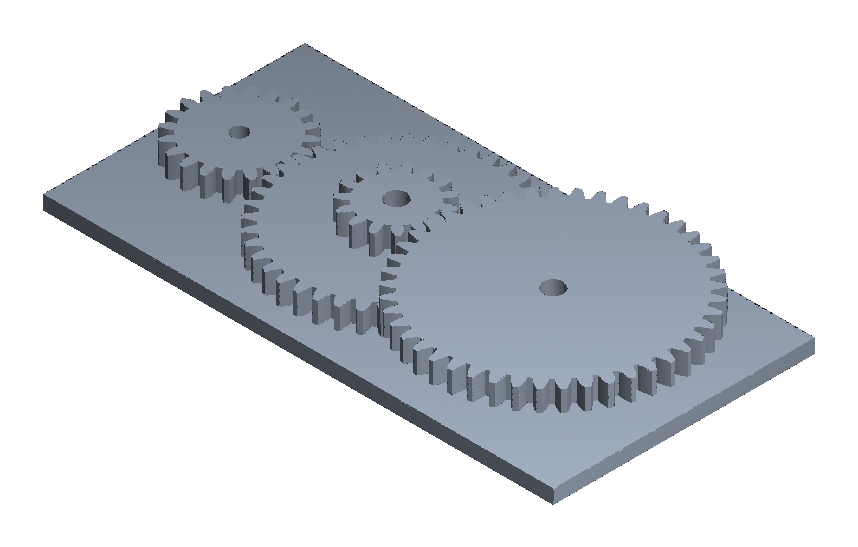
Compound spur-gear train on a base plate, every gear on its own revolute joint.
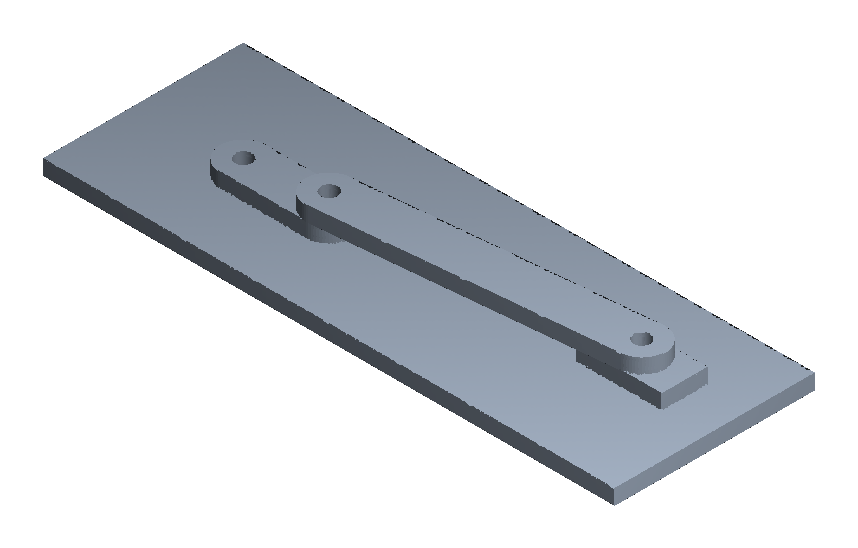
Offset crank-slider mechanism of four separate solids in stacked layers, with a full-turn motion sweep.
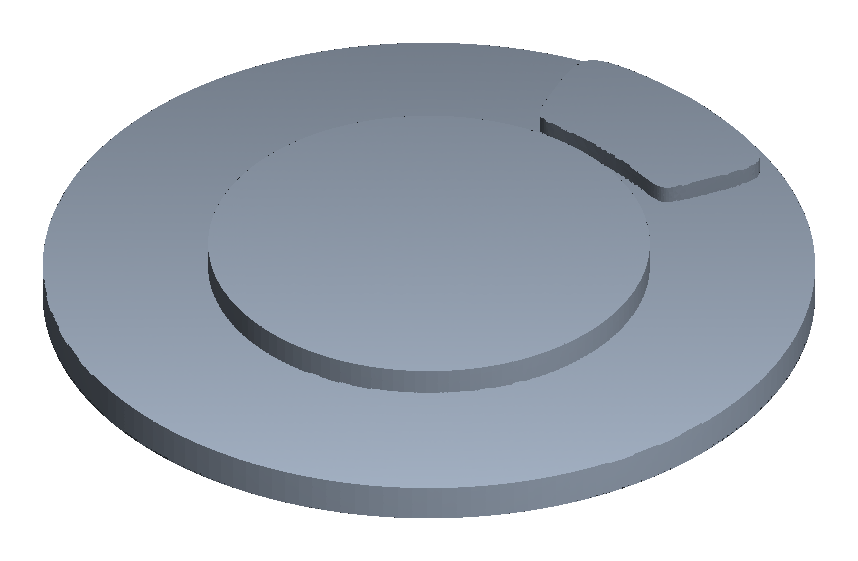
Rebuild of the COMSOL heat-generation-in-a-disc-brake model with a thermal simulation.
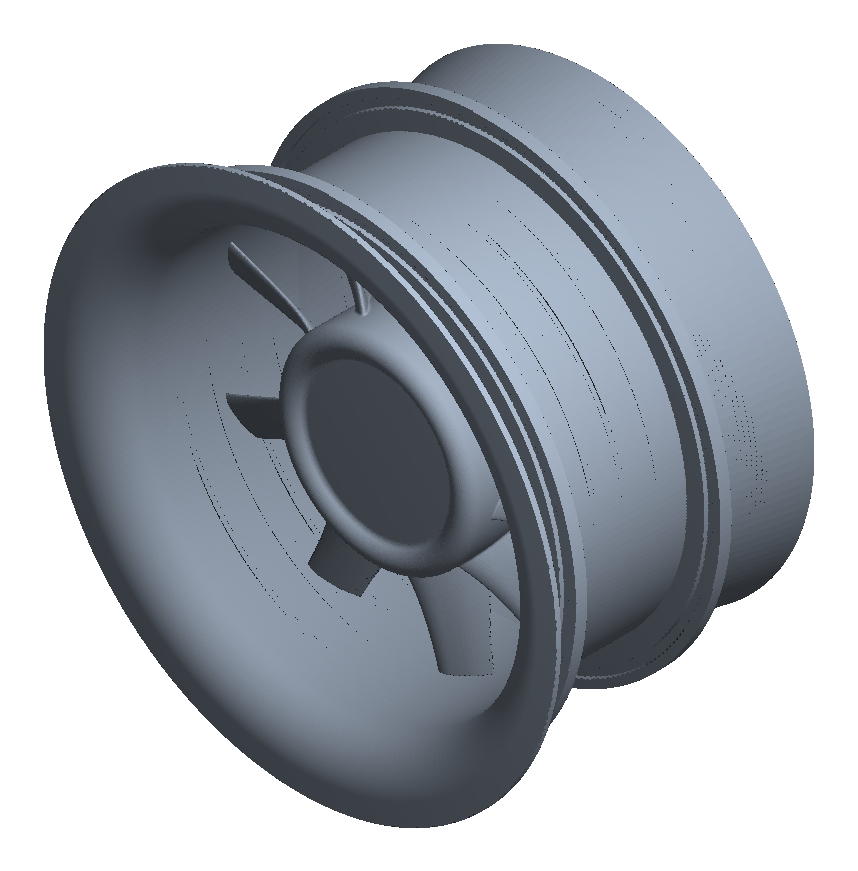
EAA benchmark low-pressure axial fan with a nine-blade rotor in its rig, with fluid regions and an MRF flow analysis.
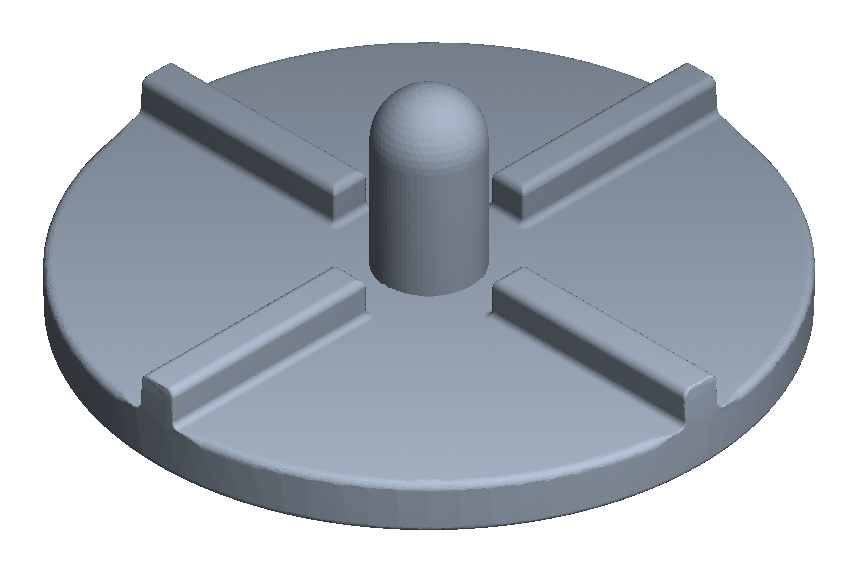
The FDA interlaboratory centrifugal blood pump from its supplied CAD, with a fluid domain and a CFD analysis.
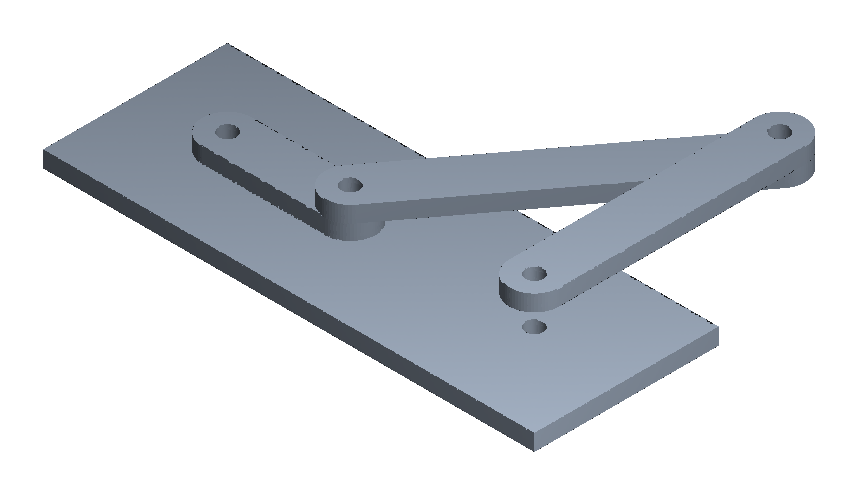
Planar crank-rocker four-bar linkage on a ground plate.
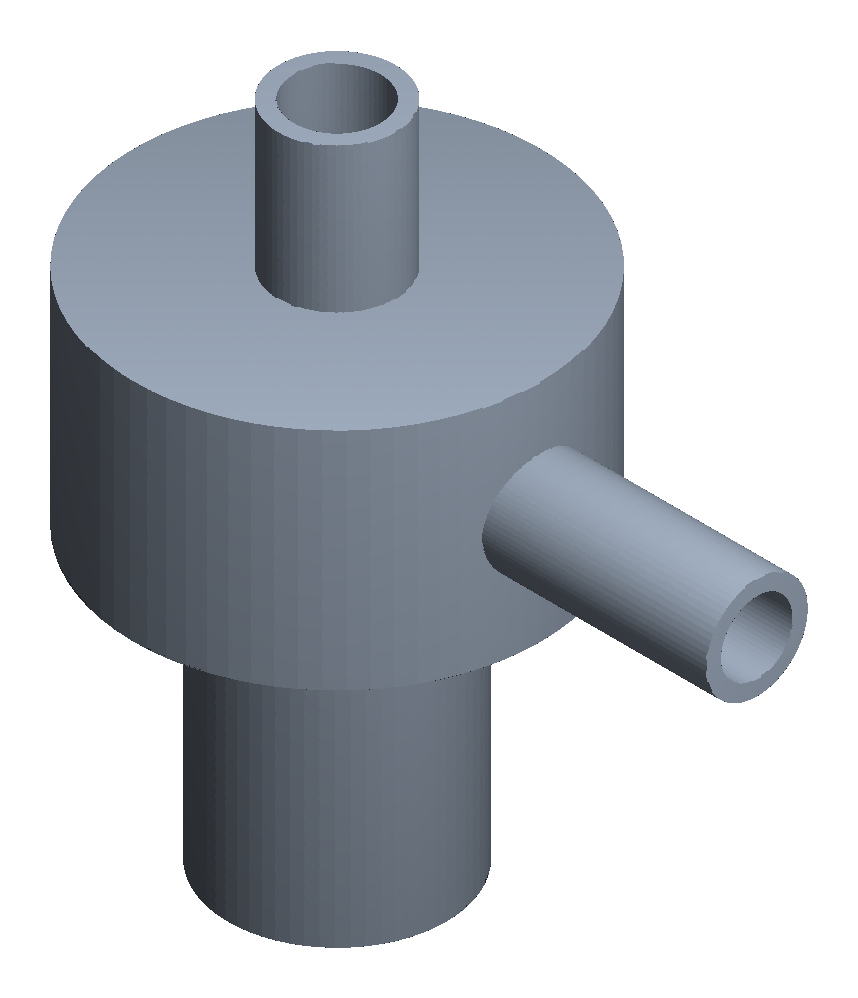
Sealed magnetic-drive paddle mixer for water in a 50 mm polypropylene housing.
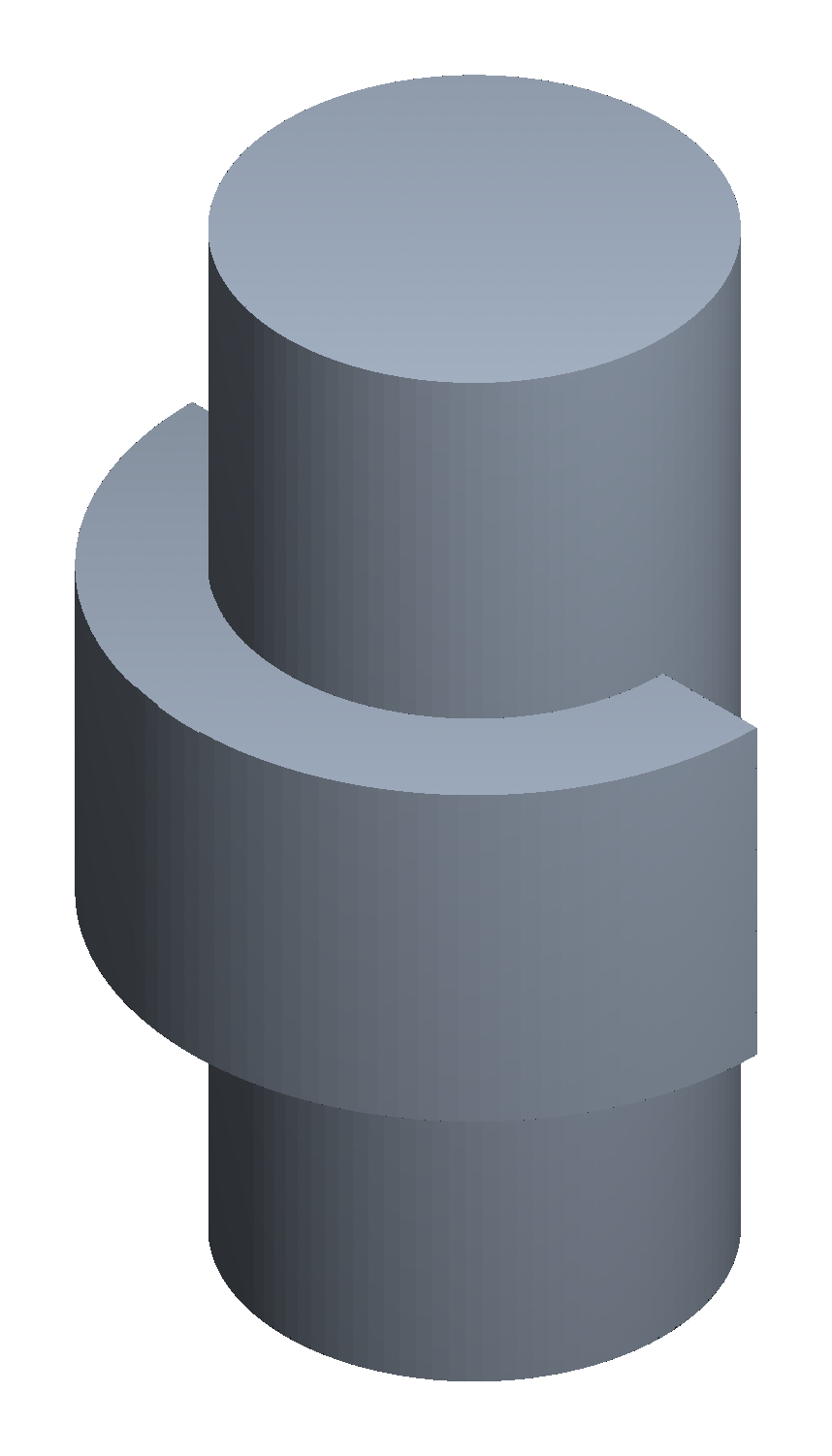
Half-journal bearing test section of the University of Nottingham highly loaded bearing rig.
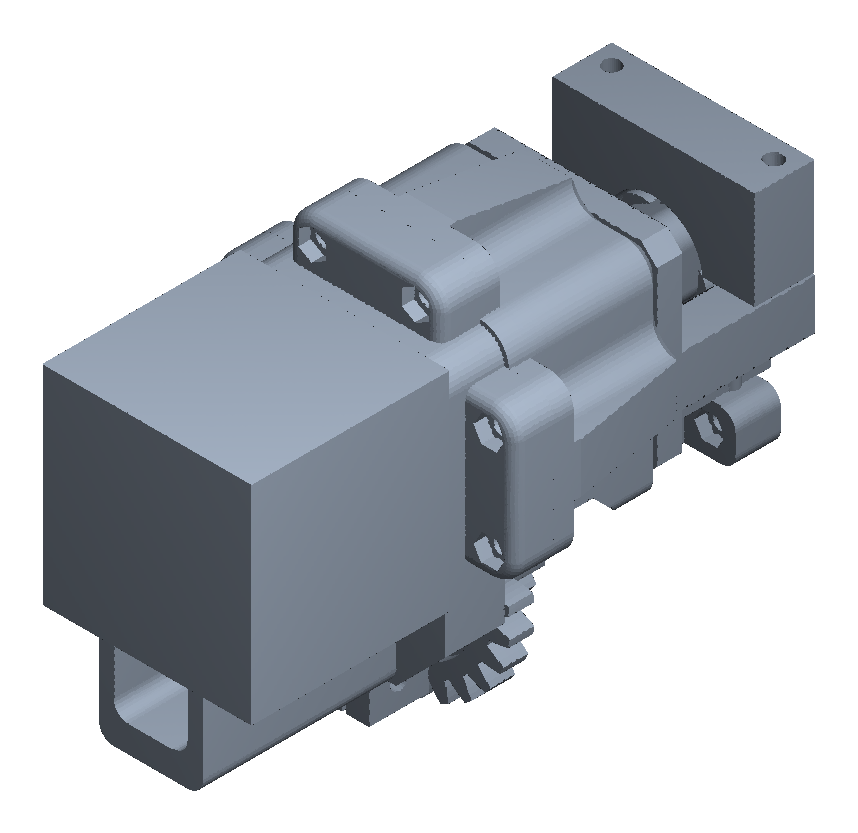
The open-source 3D-printed peristaltic pump of Behrens et al., placed from its published STEP parts with a modelled silicone tube and a roller-pass motion check.
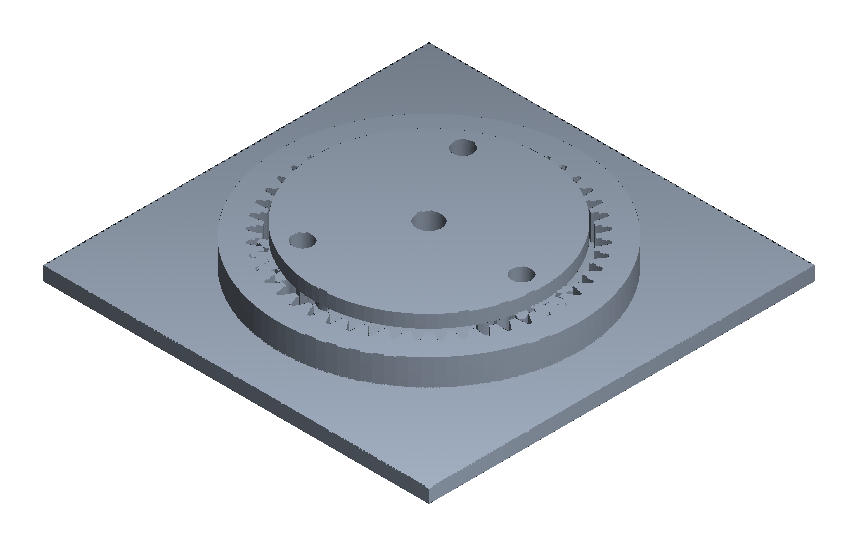
Planetary set with a fixed ring, built as seven separate solids from five part designs.
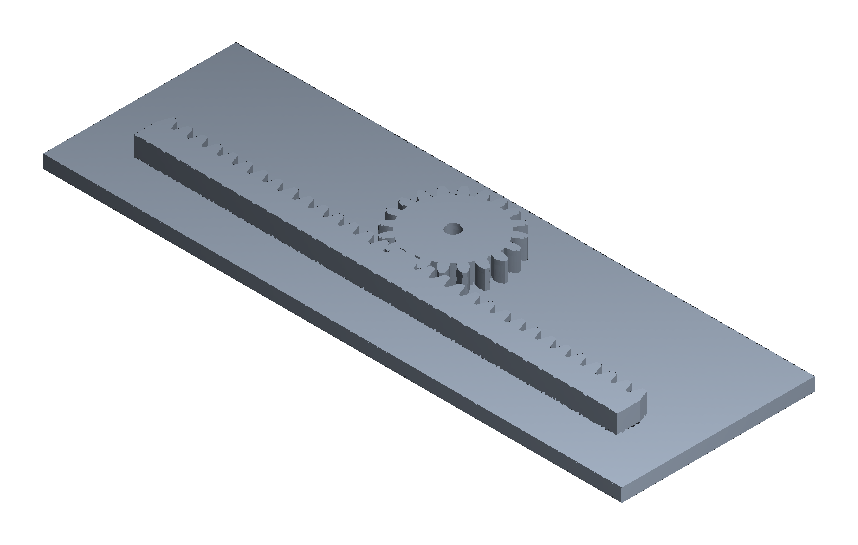
Rack and pinion on a base plate, three separate solids.
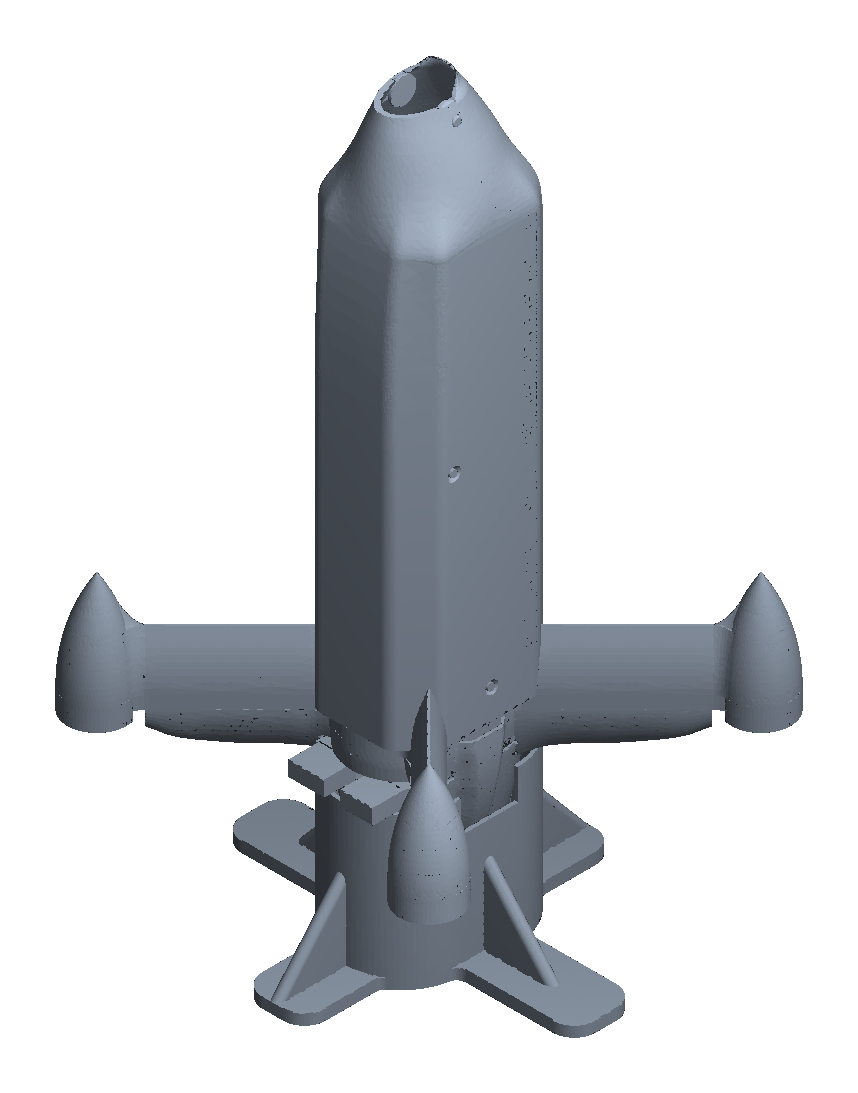
Printable tail-sitter FPV drone. A sled on the carbon frame carries the Aleph compute stack and the battery; the shell and nose cover slide on over it.
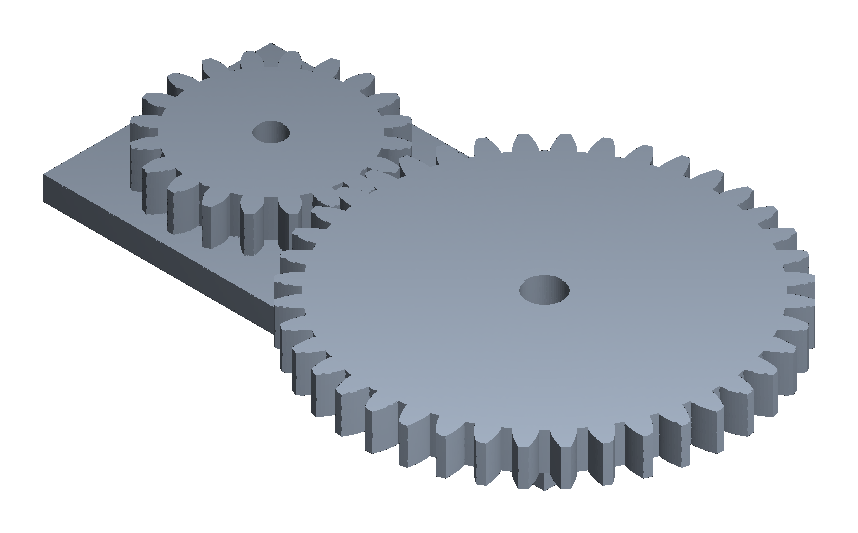
A 20-tooth pinion and a 40-tooth wheel, module 2, on revolute joints over a carrier plate.
2 designs
Standalone printed parts designed from datasheets, drawings and photos.
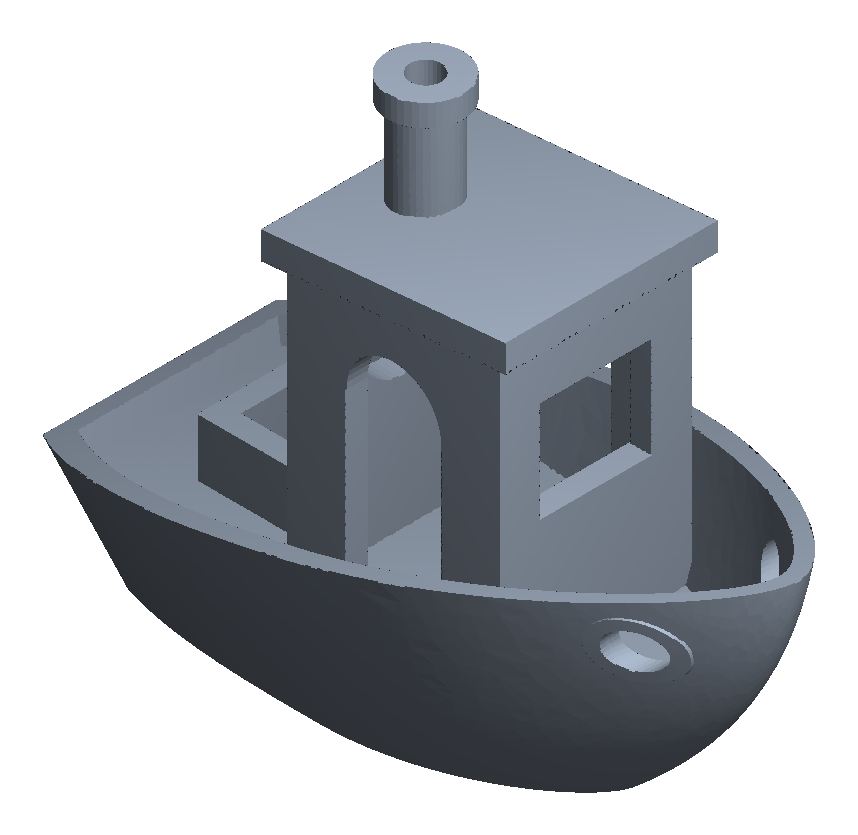
The standard tugboat calibration print, modelled from scratch.
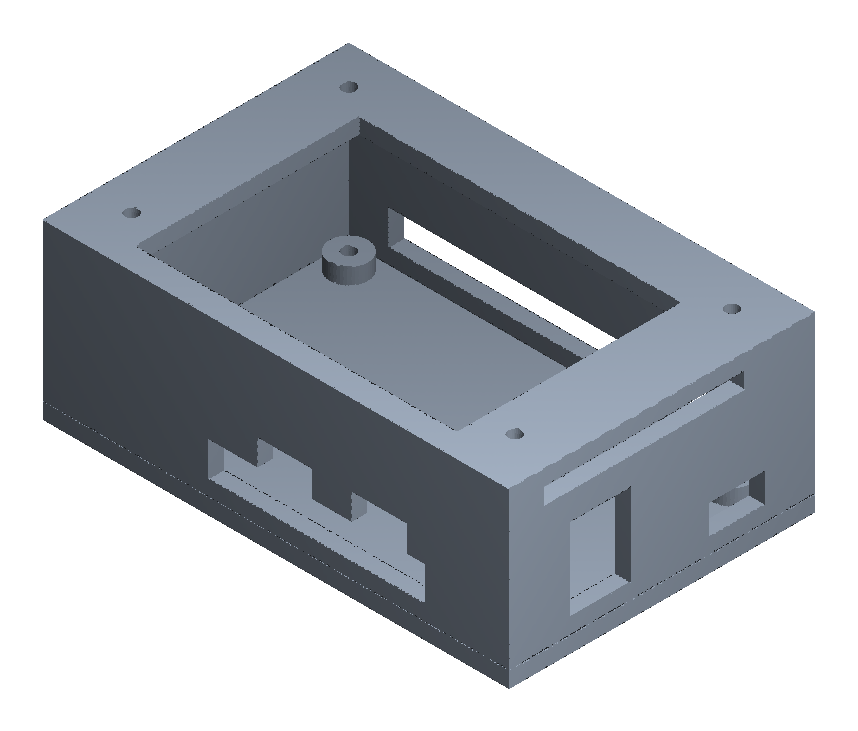
Printed enclosure for the full Aleph stack, with the heatsink rising through the lid for airflow and openings for every connector.
18 designs
Parts rebuilt from public references and scored against held-back truth geometry.
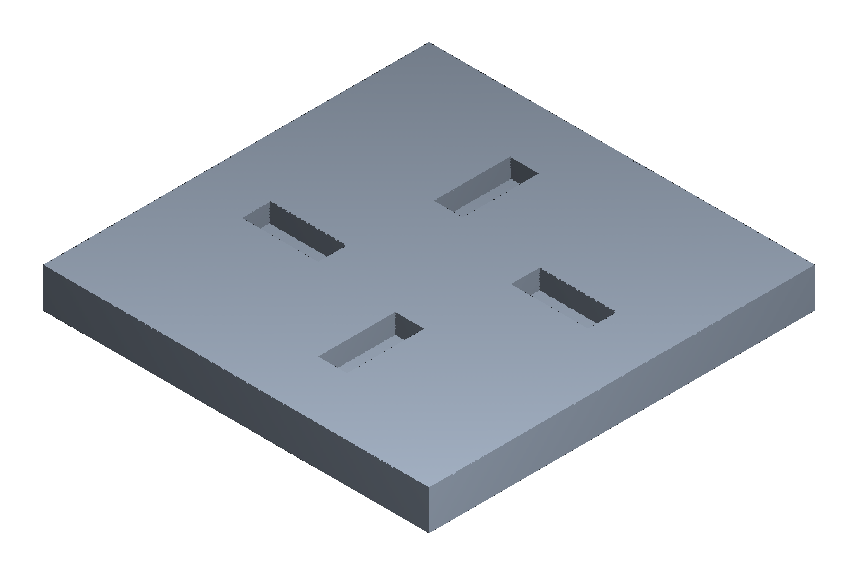
Square key plate built from a text specification.
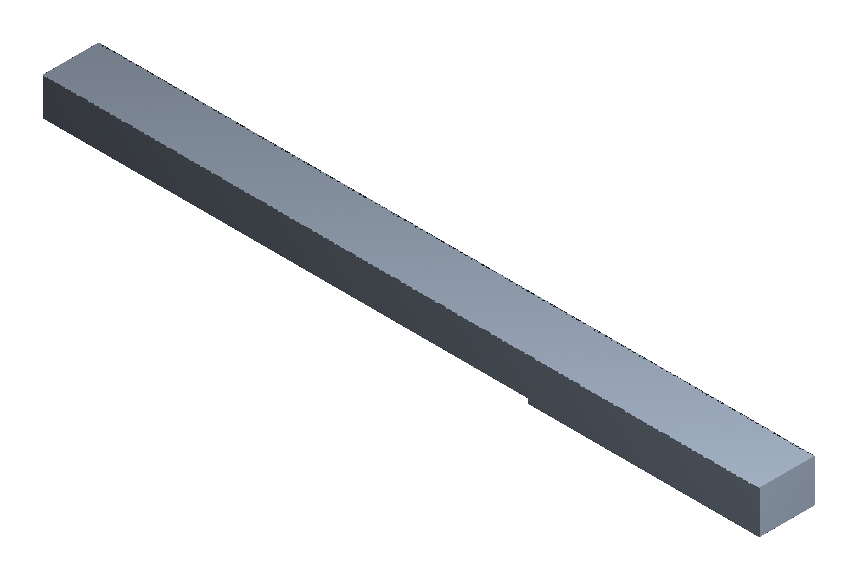
Air volume of the Driver-Seegmiller backward-facing-step channel, parallel-roof case.
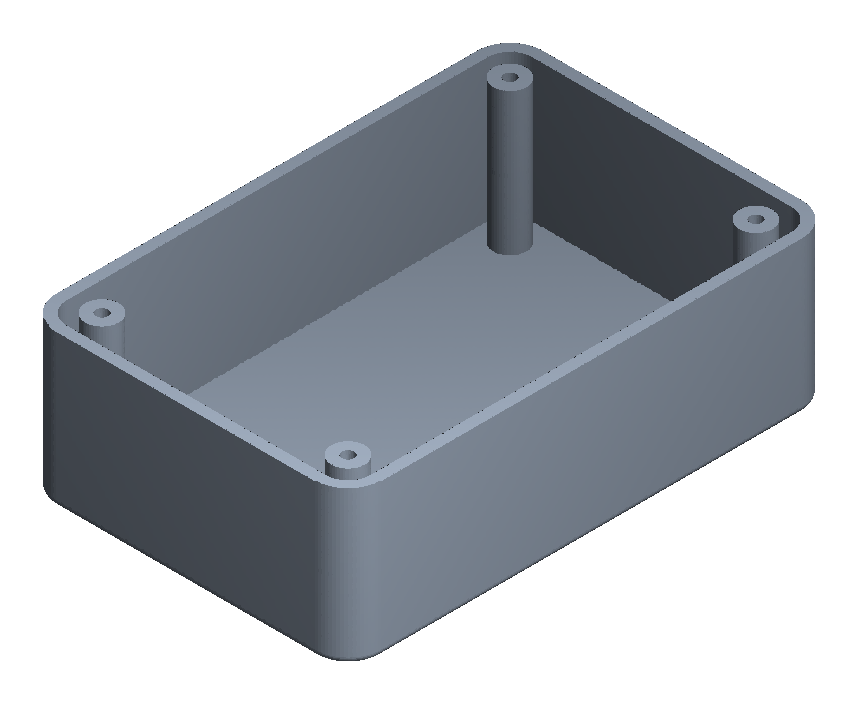
Lower body of a two-part box enclosure, 100 × 150 × 47 mm with rounded corners.
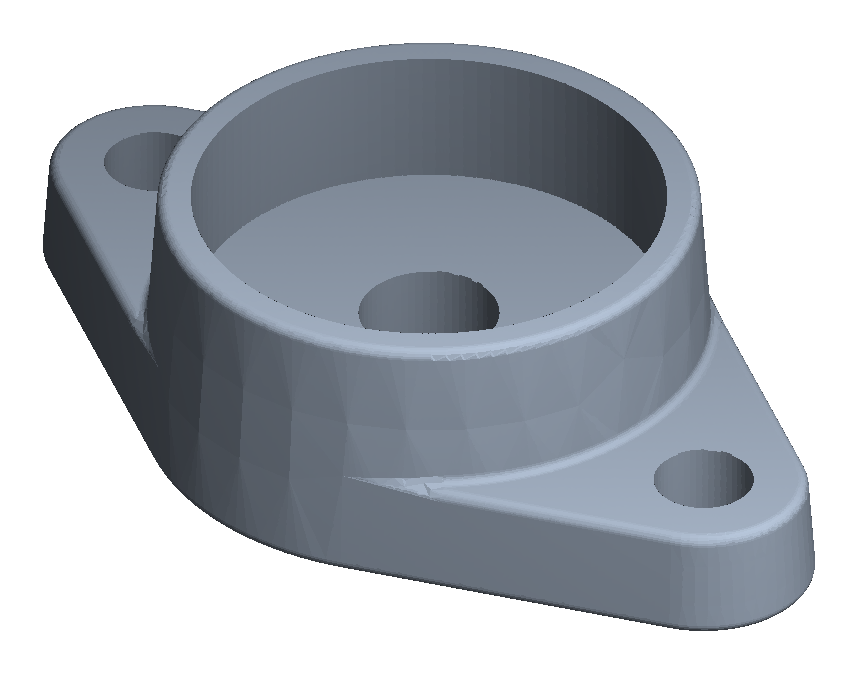
Cast oval flanged bearing housing as one connected solid.
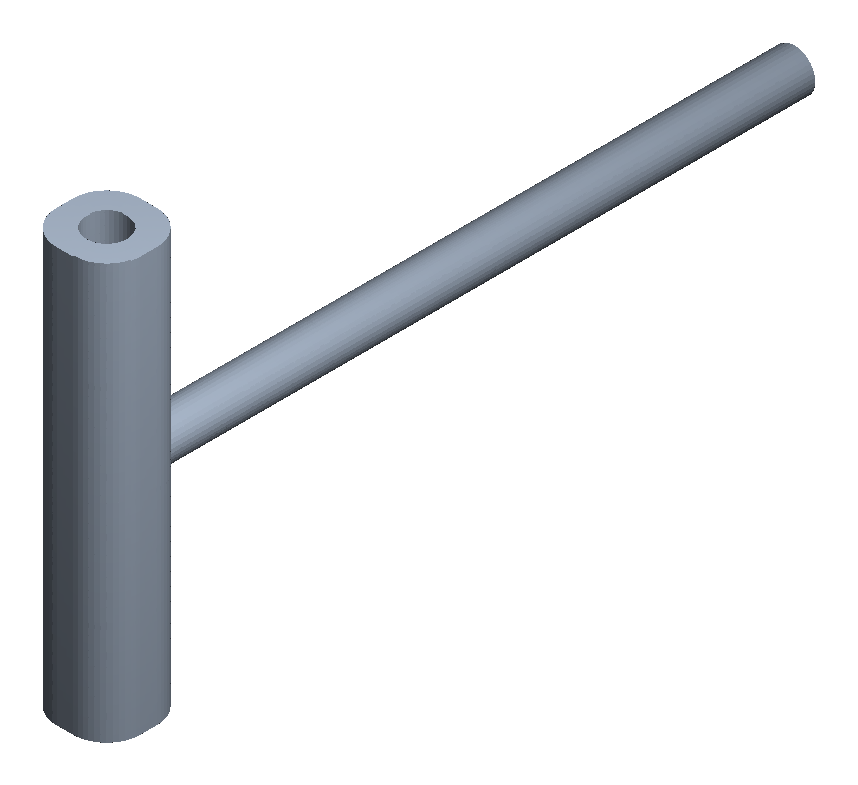
Parametric reconstruction of a Fusion 360 Gallery body from its joint-set data.
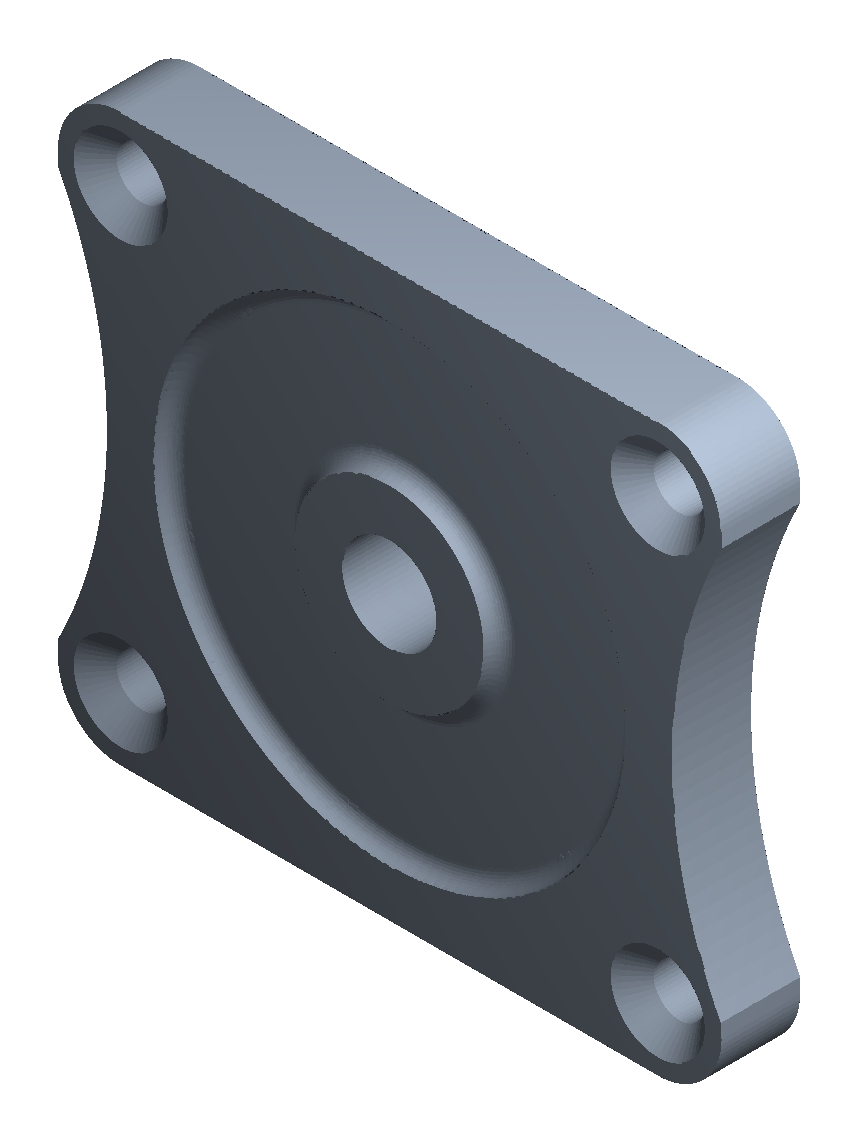
Parametric reconstruction from renders, sections and a dimension sheet.
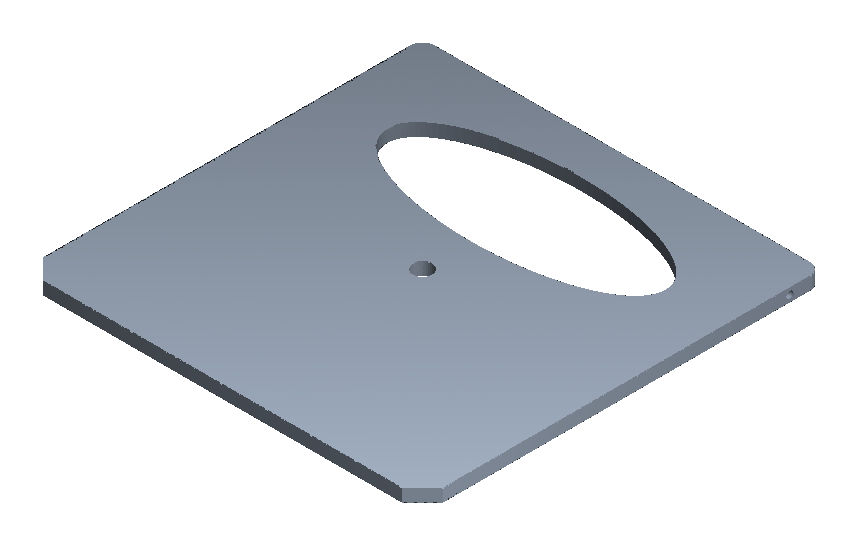
Parametric reconstruction from renders, sections and a dimension sheet.
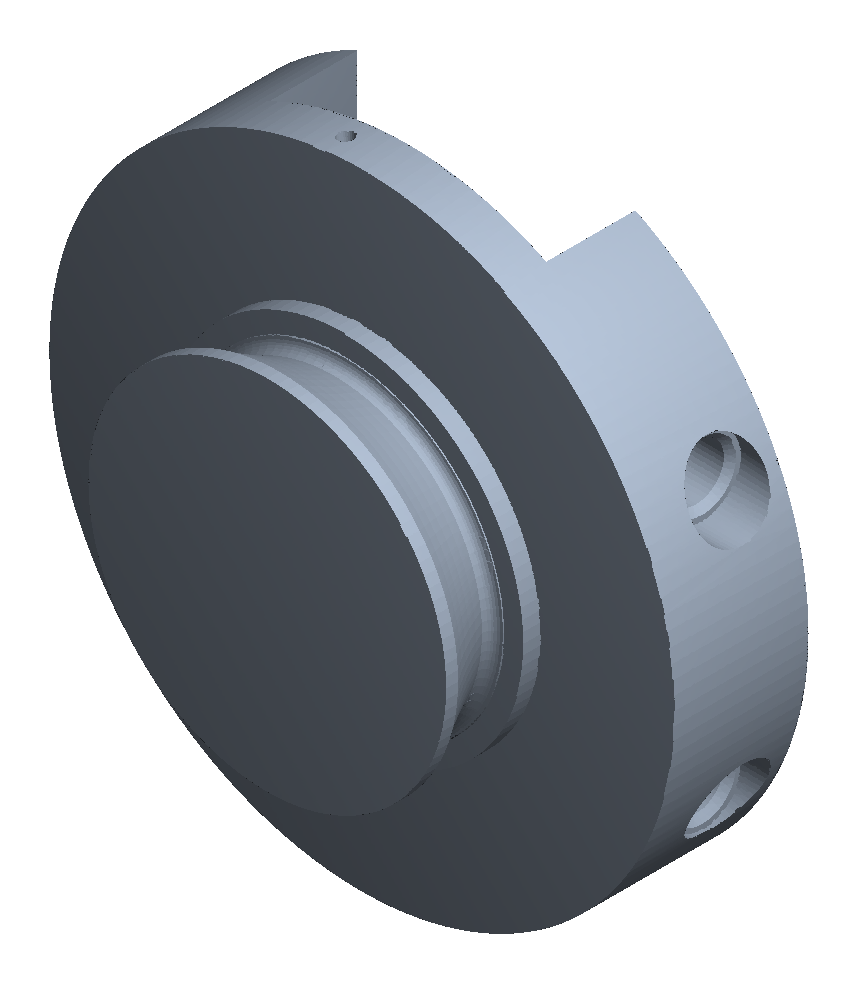
Parametric reconstruction from renders, sections and a dimension sheet.
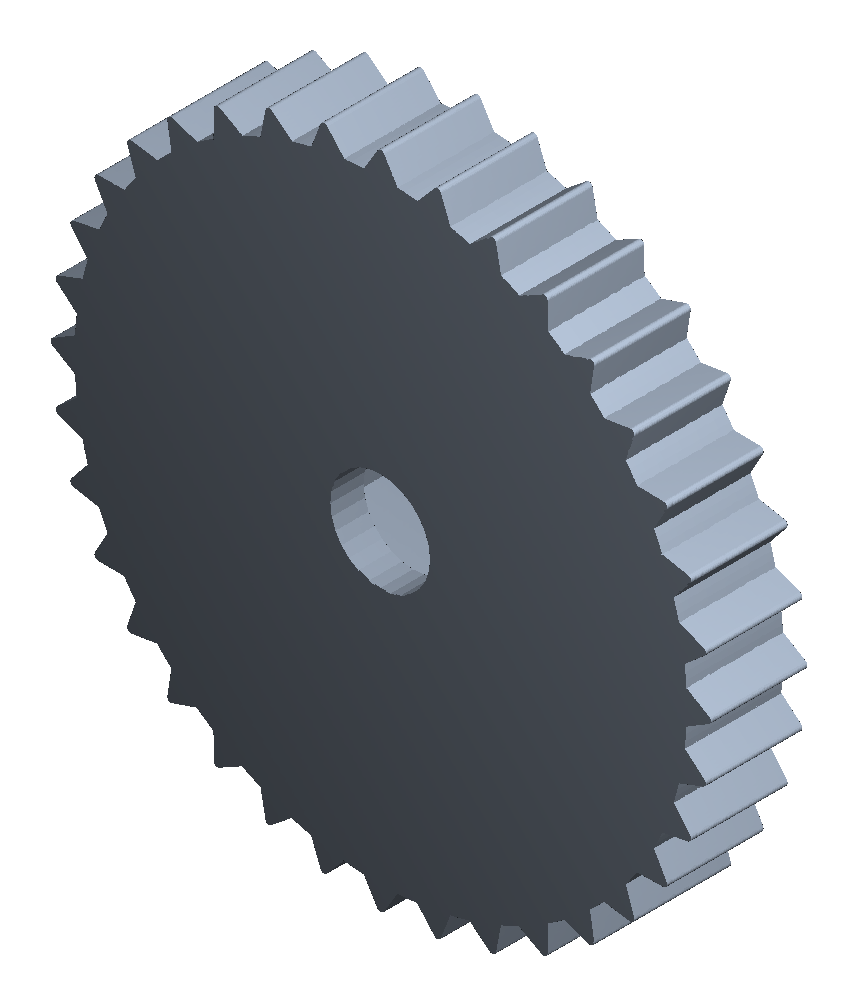
Parametric reconstruction from renders, sections and a dimension sheet.
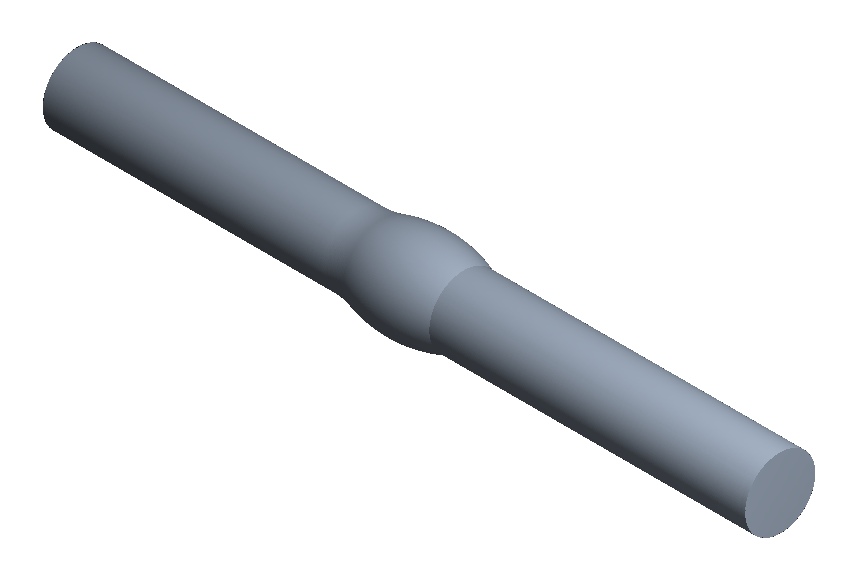
The Bachalo-Johnson axisymmetric transonic bump as one solid of revolution for a CFD outer-mould line.
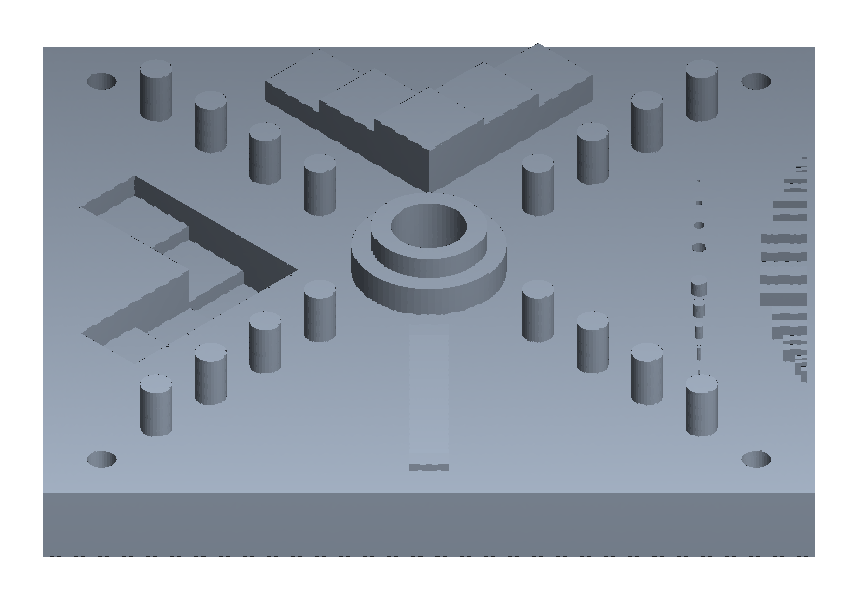
The NIST additive-manufacturing test artifact (Moylan et al. 2014) from its drawing and paper.
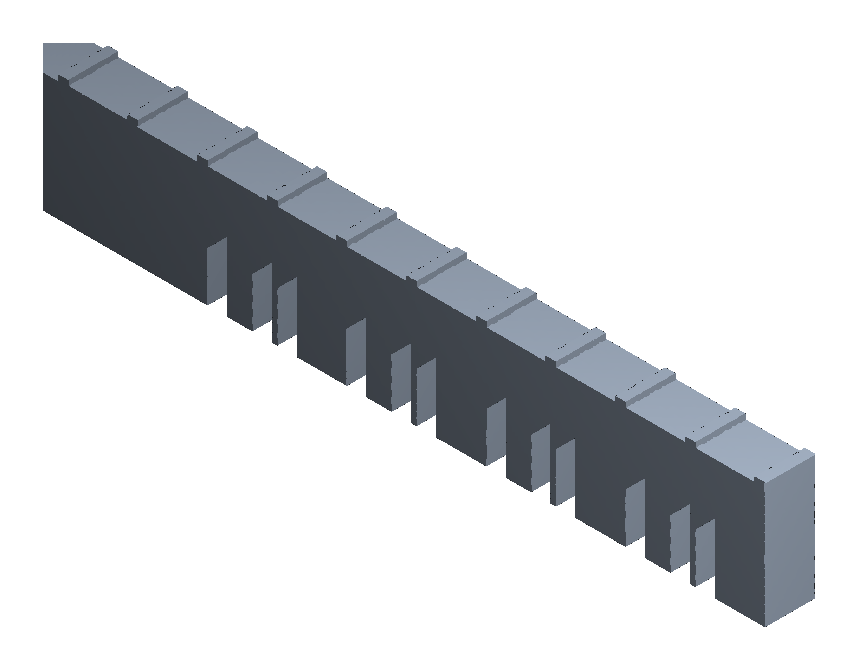
The NIST AM-Bench 2022 individual bridge artifact from its description and figures.
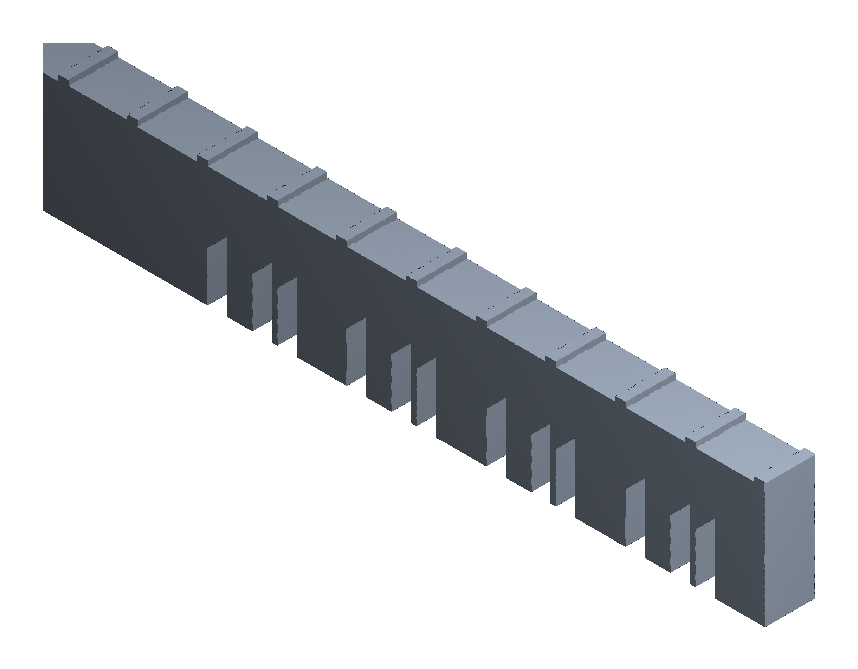
The same bridge artifact, checked against a reference mesh for surface deviation.
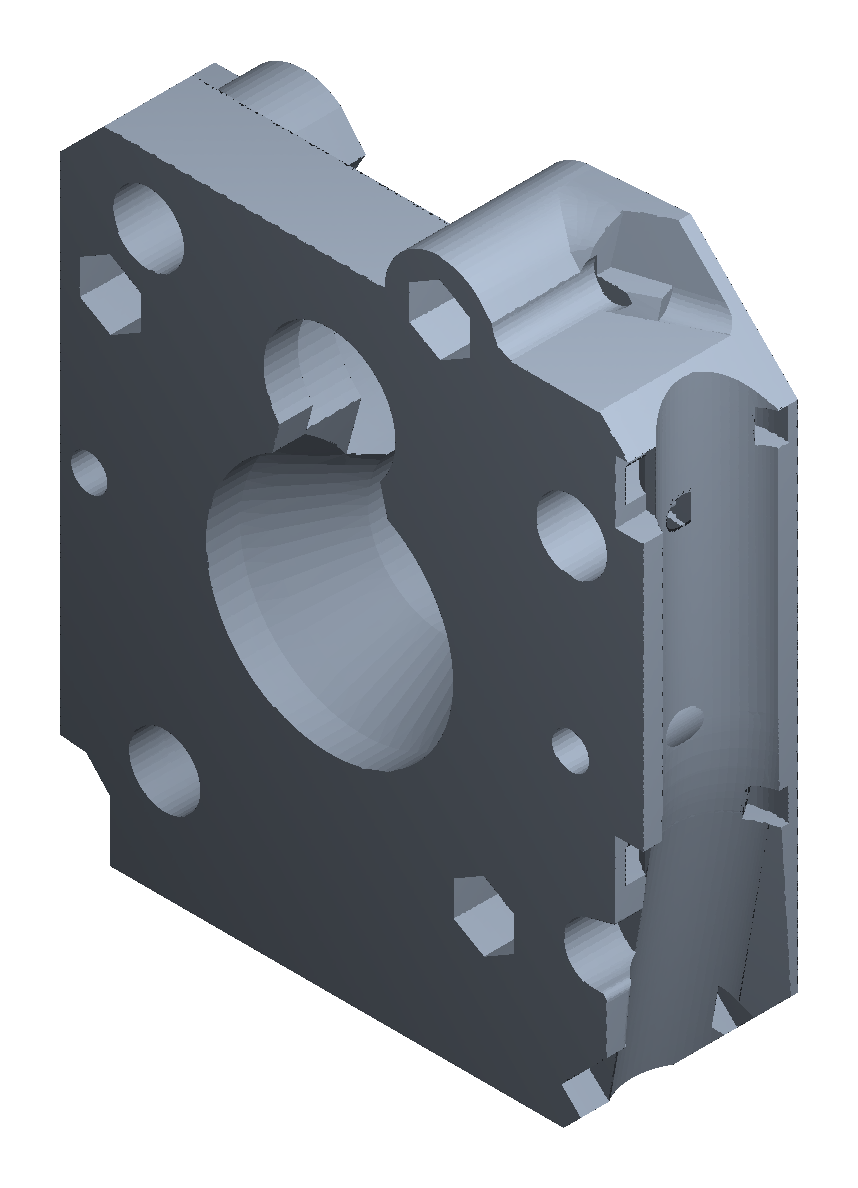
The Original Prusa MINI extruder front housing from renders and section drawings.
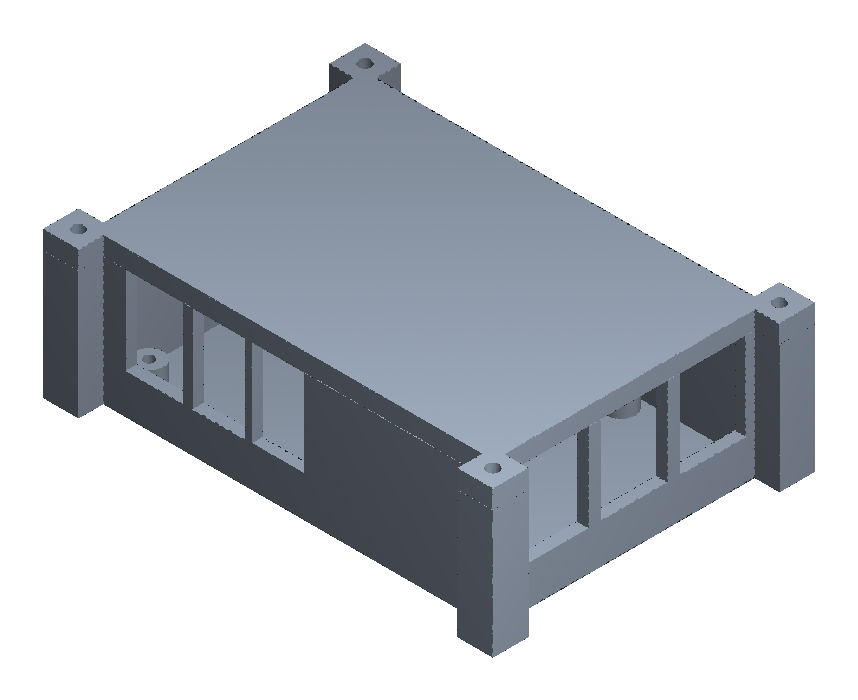
Two-piece FFF-printed enclosure, base and removable lid, for a Raspberry Pi 5.
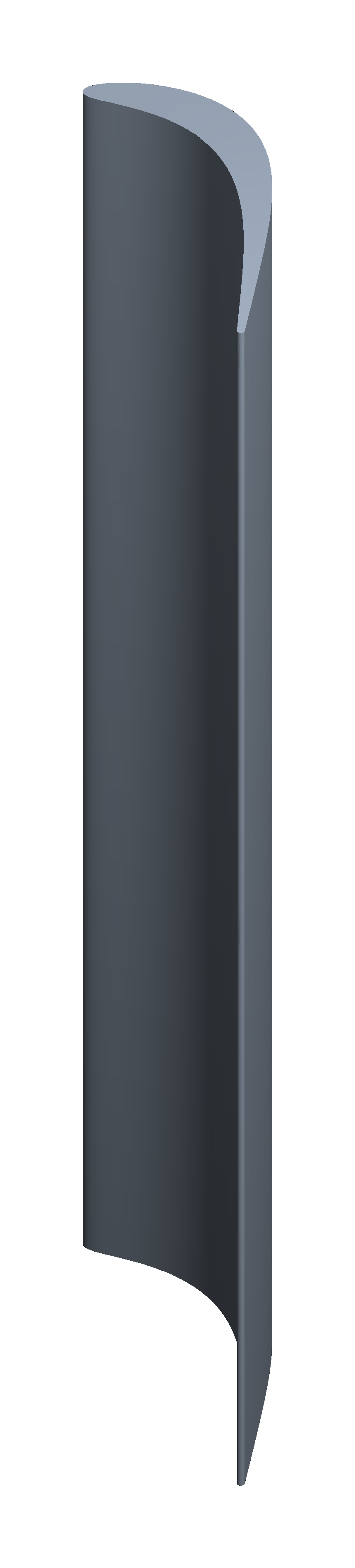
One SPLEEN C1 turbine cascade blade.
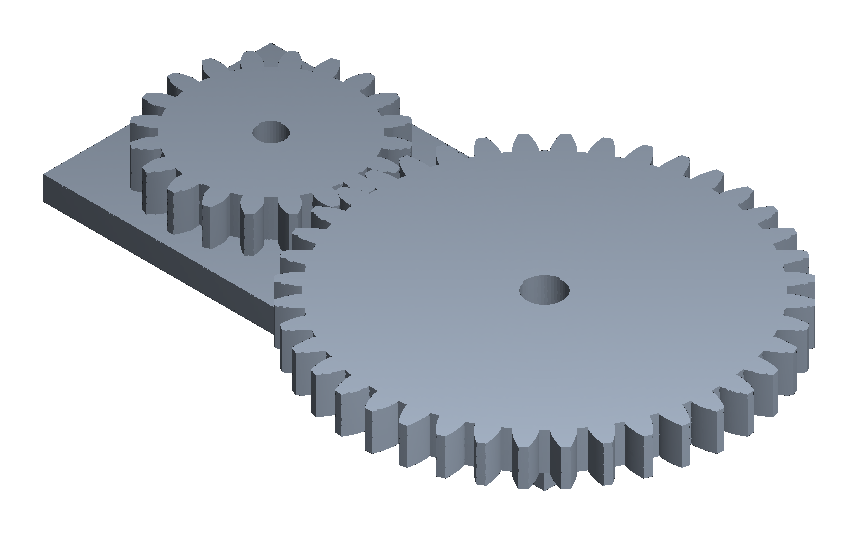
Module 2, 20° pressure-angle spur-gear pair and carrier plate to an exact specification.
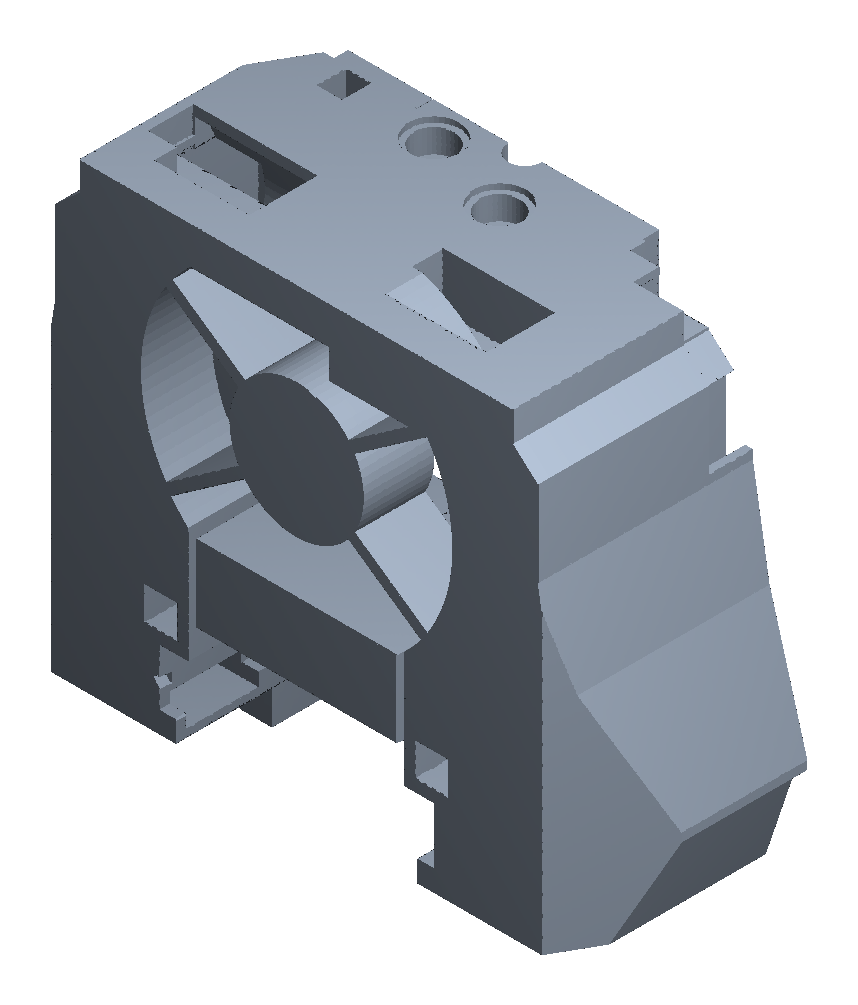
The Voron Stealthburner printhead front housing, Rapido V2 variant, from renders and section drawings.
3 published comparisons
The same contract authored by the same agent on all four CAD backends, with every turn's tokens, dollars and time metered. Latest: 3DBenchy, 2026-10-17.
How it works
Python is the control plane. Agents do the modelling and spatial reasoning; every claim they make is re-measured on the exported geometry.
Sources (datasheets, drawings, photos, reference meshes) become one contract.yaml or assembly.yaml with provenance on every parameter.
A worker plans the construction and writes parametric source on the chosen backend; a blockout checks scale and frame first.
OpenCascade reads the STEP for envelope, mass properties, features, edits and export agreement: 12 gates per part, 14 per machine.
The handoff is the gated STEP, an STL in millimetres, a GLB for the viewer, and the provenance that binds them to the source.
Evidence
ok: true in a stage file is the worker's claim. gate_feedback.json is the verdict, and the exported STEP is authoritative.
A failing design stays listed with its failing gates. A PASS means the geometry agrees with its contract within tolerance; it is not a physical test of the printed part.